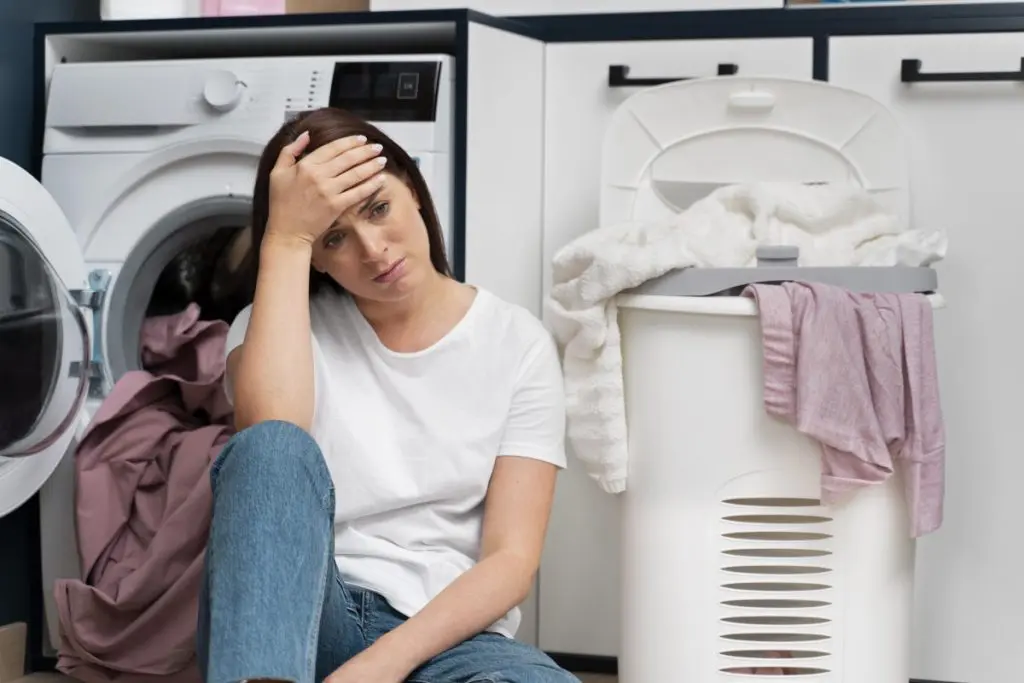
You’re starting laundry on a quiet morning when suddenly your washing machine starts making a sound like rocks tumbling in a dryer. Or maybe it’s a high-pitched squeal that makes you wince. Whatever that strange noise in your washing machine is, it’s definitely not normal, and it’s probably not going to fix itself.
Most washing machine noises have identifiable causes, and catching them early can save you from a complete breakdown (and a flooded laundry room). In this guide, we’ll walk you through the most common strange noises in your washing machine, what they mean, and when it’s time to call in professional help.
Why Is My Washing Machine Making a Grinding Noise?
A grinding or scraping sound is one of the most concerning noises your washing machine can make. This metallic, grating noise typically indicates a problem with your drum bearings or something caught between the inner and outer drums.
Worn Drum Bearings
Worn drum bearings are the most common culprit behind grinding noises. These bearings support the inner drum and allow it to spin smoothly. Over time, they wear out from regular use, especially if you frequently wash heavy loads like comforters or towels. When bearings fail, you’ll hear a grinding sound that gets louder during the spin cycle. You might also notice the drum wobbling excessively or water leaking from the bottom of the machine.
Foreign Objects
Foreign objects stuck in the drum cavity can also create grinding sounds. Coins, buttons, bra underwires, or small toys can slip past the drum seal and get trapped. As the drum rotates, these items scrape against metal surfaces, creating that distinctive grinding noise.
If you’re hearing grinding sounds, stop using your machine immediately. Continuing to run it can cause severe damage to other components and turn a moderately expensive repair into a complete replacement scenario.
What’s That Loud Banging During the Spin Cycle?
Does your washing machine sound like it’s trying to break through your laundry room floor? Loud banging, thumping, or knocking noises during the spin cycle usually point to balance issues or shock absorber problems.
Unbalanced Loads
Unbalanced loads are the simplest explanation. When heavy items like bath mats or blankets bunch up on one side of the drum, the machine becomes lopsided during the high-speed spin cycle. This creates that distinctive banging as the drum hits the sides of the cabinet. The solution? Stop the cycle, evenly redistribute the load, and restart.
Failed Shock Absorbers or Suspension Springs
Failed shock absorbers or suspension springs are among the most serious causes of banging noises in your washing machine. These components dampen the drum’s natural movement during the spin cycle. When they wear out or break, nothing stops the drum from moving excessively, causing it to bang against the cabinet walls. Front-loading washers typically use shock absorbers, while top-loaders rely on suspension springs.
Loose or Broken Transit Bolts
Loose or broken transit bolts can also cause banging, especially in newer machines. If you recently moved or bought a new washer, check that all shipping bolts were removed. These bolts secure the drum during transport and must be taken out before use.
For Howell homeowners, it’s worth noting that banging noises can also damage your flooring and, if left unaddressed, potentially crack concrete foundation slabs. We’ve seen cases where prolonged vibration from an unbalanced machine caused structural issues in laundry rooms.
Why Is My Washer Squeaking or Squealing?
In terms of a strange noise in your washing machine, high-pitched squeaking or squealing is the most annoying. These noises typically indicate friction between moving parts that should glide smoothly.
Worn Drive Belts
Worn drive belts are the primary cause of squealing sounds. The drive belt connects the motor to the drum pulley, allowing the motor to spin the drum. Over time, these rubber belts deteriorate, crack, or become glazed. As they slip on the pulleys, they make a squealing noise like a loose car belt. This sound is usually most noticeable when the drum first starts spinning or changes direction.
Motor Bearing Problems
Motor bearing problems can also produce squeaking or grinding sounds. If the motor bearings are failing, you might hear a high-pitched squeal that changes in pitch as the motor speed varies. This is less common than belt issues, but it still requires professional attention.
Pulley Problems
Pulley problems can also cause squeaking. The drum pulley or motor pulley can become loose, misaligned, or damaged. When the belt moves across a damaged pulley, it creates friction and noise.
If you’re hearing squeaking or squealing, your washing machine is telling you that something needs lubrication, adjustment, or replacement. While this isn’t usually an emergency, ignoring it can lead to complete belt failure, leaving you with a drum that won’t spin.
What Does a Clicking Sound Mean?
Clicking noises in your washing machine can range from normal operation sounds to indicators of electrical problems. Understanding the context helps you determine whether it’s a concern.
Normal Relay Clicks
Normal relay clicks happen when your washer shifts between cycles. You might hear clicking as the machine fills with water, agitates, drains, or spins. These are electrical relays or solenoid valves operating normally. If the clicking is rhythmic and corresponds with cycle changes, it’s typically nothing to worry about.
Faulty Lid Switch or Door Latch
A faulty lid switch or door latch can cause problematic clicking. If your top-load washer clicks repeatedly but won’t start, the lid switch might be failing. This safety switch tells the machine when the lid is closed, and the machine is safe to operate. A malfunctioning switch will click as it tries to engage, but can’t complete the circuit.
Control Board Issues
Control board issues sometimes manifest as rapid clicking sounds. If you hear fast, repetitive clicking combined with the washer not responding to commands or displaying error codes, the electronic control board might be failing.
A Clogged Drain Pump
A clogged drain pump can produce a clicking sound as the impeller attempts to rotate but encounters an obstruction. If you hear clicking during the drain cycle, check your pump filter for debris.
Understanding Humming or Buzzing Noises in Your Washing Machine
Is the strange sound in your washing machine a humming or buzzing sound? These aren’t always cause for alarm, but they can indicate your machine is struggling with something. Humming or buzzing sounds typically relate to the motor, pump, or electrical components.
Drain Pump Blockages
Drain pump blockages often cause humming or buzzing. When the pump tries to drain water but can’t because of a clog (lint, coins, small socks), it hums as the motor runs, but the impeller can’t turn freely. You might also notice water not draining properly or pooling in the drum.
Motor Capacitor Failure
A motor capacitor failure causes a humming sound when the motor tries to start but can’t. The capacitor provides the motor with the initial boost it needs to start spinning. When it fails, the motor hums but doesn’t rotate. This can eventually burn out the motor if not addressed.
Overloaded Circuit or Voltage Issues
Overloaded circuit or voltage issues sometimes cause buzzing. If your washing machine shares a circuit with other appliances, insufficient power can cause the motor to struggle and buzz.
For residents in Howell and the surrounding areas, electrical issues deserve immediate attention. Michigan’s variable power delivery during storm seasons can stress appliance motors, making proper electrical flow especially important.
When to Call a Professional vs. DIY Fixes
Some washing machine noises have simple solutions you can handle yourself, while others require professional expertise and specialized tools.
You can likely handle these yourself:
- Redistributing unbalanced loads
- Removing foreign objects from the drum (if accessible)
- Cleaning the drain pump filter
- Checking that the machine is level
- Ensuring all transit bolts were removed
You should call a professional for:
- Drum bearing replacement (requires complete disassembly)
- Shock absorber or suspension spring replacement
- Drive belt replacement in complex models
- Motor repairs or replacement
- Control board diagnostics and repair
- Any issues involving electrical components
Attempting complex repairs without proper knowledge can void warranties, create safety hazards, or cause additional damage that increases repair costs. The same strange noise in your washing machine that costs $150 to fix today might cost $400 if you attempt a DIY repair that goes wrong.
Prevention Tips for Howell Homeowners
Preventing strange noises is easier and cheaper than fixing the problems that cause them. Here’s how to keep your washing machine running quietly:
Balance your loads properly. Don’t overload the machine, and distribute items evenly around the drum. Mix large and small items in each load.
Check pockets before washing. Coins, keys, and other hard objects cause many washing machine problems. Make checking pockets a habit before clothes go in the hamper.
Use the right amount of detergent. Too much detergent creates excess suds that can damage seals and bearings over time. High-efficiency washers need HE detergent specifically.
Leave the door or lid open between uses. This allows moisture to evaporate, preventing mold and mildew that can deteriorate rubber components.
Address hard water issues. Howell’s water can be hard in many areas, leading to mineral buildup that can affect pump operation and cause noise. Consider a water softener, or use Borax or washing soda with each load, and use a washing machine cleaner monthly.
Quick FAQ About the Strange Noise in Your Washing Machine
Is it dangerous to use a noisy washing machine?
It depends on the noise. Banging and grinding noises should prompt you to stop using the machine immediately, as continued operation can cause severe damage or create safety hazards. Minor squeaking is less urgent but should still be addressed soon.
How much does washing machine repair typically cost?
Simple repairs like belt replacement cost $150-$250, while bearing replacement can run $300-$450. Complex motor or control board repairs can cost more than $400. A professional diagnostic visit helps you understand exactly what you’re facing.
Should I repair or replace my noisy washing machine?
Generally, if the repair costs more than 50% of a new machine’s price and your washer is over 8-10 years old, replacement makes more financial sense. Younger machines with a single issue are usually worth repairing.
Professional Washing Machine Repair in Howell
When you hear a strange noise in your washing machine, Papa Joe’s Appliance Repair is here to help. We bring the “Mom & Pop” approach back to appliance repair, offering same-day and next-day service throughout Howell, Brighton, South Lyon, and surrounding areas. Our family-owned business has over 10 years of experience diagnosing and fixing washing machine problems quickly and affordably.
Don’t let a strange noise turn into a complete breakdown and a flooded laundry room. Call us today at (810) 645-9403 or schedule an appointment online. We’ll get your washing machine running smoothly again.
Family-Owned Appliance Repair Specialists
Proudly serving Ann Arbor, Bloomfield, Bloomfield Hills, Brighton, Brighton Township, Canton, Commerce Township, Davisburg, Dexter, Farmington Hills, Fenton, Fenton Township, Hamburg Township, Hartland, Highland, Howell, Linden, Livonia, Lyon Township, New Hudson, Northville, Novi, Pinckney, Plymouth, South Lyon, and Whitmore Lake.
Posted on January 15, 2026 | Published by Ignite Local | Related Local Business